

Why You Need a SIM Card in France
Getting a SIM card in France is one of the very first things you should do after landing, whether you come as a student, a professional or a long-stay visitor. A French phone number unlocks almost everything: your landlord wants it, your bank sends security codes to it, and administrations such as the CAF or your university contact you on it. In addition, many French apps and delivery services simply refuse foreign numbers.
The good news? France has one of the most competitive mobile markets in Europe. Fierce price wars between operators mean you can get generous data and unlimited calls for less than the price of a coffee and croissant per week. However, the system works differently from India, and a few rules can trip up newcomers. This guide walks you through every option, step by step.
Prepaid vs Monthly Plan: Which SIM Card in France Suits You?
French operators offer two main formulas. Your choice depends mainly on how long you stay and whether you already have a French or European bank account.
Prepaid SIM (carte prépayée)
A prepaid SIM works like a recharge card in India. You buy the SIM, top it up, and use your credit until it runs out or expires. Orange (Mobicarte), SFR, La Poste Mobile and Lebara all sell prepaid cards in tobacco shops (tabacs), supermarkets, operator stores and online. As a result, prepaid suits people who arrive without a bank account or who stay only a few weeks. On the downside, the price per gigabyte is noticeably higher than with a monthly plan.
No-commitment monthly plan (forfait sans engagement)
This is how most people in France pay for their phone. You subscribe online, the operator charges you every month by direct debit, and you can cancel at any time without fees. Today, the vast majority of active lines in France run on this type of contract, so you lose nothing by avoiding long commitments. Therefore, if you stay more than two or three months, a monthly plan is almost always the smarter and cheaper option.
Main Mobile Operators in France in 2026
Four companies own the physical networks in France: Orange, SFR, Bouygues Telecom and Free. Each of them also runs a cheaper online-only brand. On top of that, dozens of virtual operators (called MVNOs) rent these networks and resell plans at even lower prices.
The four network owners and their low-cost brands
- Orange, often ranked first for network quality, with its no-frills brand Sosh.
- SFR, with its popular online brand RED by SFR.
- Bouygues Telecom, with its online brand B&You.
- Free Mobile, famous for its very cheap entry plan and simple price list.
Virtual operators (MVNOs)
Brands such as Prixtel, Syma, YouPrice, Cdiscount Mobile, La Poste Mobile, Lebara and Lyca Mobile use the same networks as the big four. Consequently, coverage is identical, but customer service is mostly online. Lebara and Lyca also target international callers, which makes them worth checking if you phone India often.
You can compare networks street by street on the ARCEP Mon Réseau Mobile map. It takes two minutes and can save you months of poor signal in your room.
How Much Does a SIM Card in France Cost?
Prices change almost every month, so treat the figures below as typical ranges at the time of writing (late 2026). Nevertheless, they give you a reliable idea of what to budget:
- Basic plan (around 2 euros a month): calls and texts with very little data. Free Mobile’s famous 2-euro plan works well as a backup line.
- Everyday plan (around 6 to 13 euros a month): unlimited calls and texts with roughly 50 to 150 GB of data. Most students choose this range.
- Heavy-data plan (around 15 to 20 euros a month): 200 to 350 GB of 5G data for streaming and hotspot use.
- Premium plan (around 30 euros a month): unlimited data, sometimes with calls to many foreign countries included.
The SIM card itself usually costs between 1 and 10 euros as a one-time fee, and many operators offer it for 1 euro during promotions. For a full monthly budget, read our guide to living in France as an Indian expat.
Documents You Need
Operators keep the paperwork light, especially compared with other French procedures. Here is what you should prepare:
- A valid passport or French residence permit (titre de séjour). Your passport with your long-stay visa works perfectly.
- A delivery or postal address in France if you order the SIM online. A hostel, a friend’s flat or your student residence all work.
- A European IBAN (French or SEPA bank account) for monthly direct debits. Some operators also accept a bank card for the first payment.
- An email address to manage your account and receive invoices.
Need help with that step? Our guide on how to open a bank account in France as an Indian explains which banks accept newcomers and which documents they ask for.
How to Get a SIM Card in France: Step by Step
Follow this sequence and you will have a working French number within your first week, even before your bank account is ready.
Step 1 — Check your phone is unlocked
Indian phones bought on EMI or through an operator are sometimes locked. Ask your Indian provider to unlock it before you fly, and check whether your phone supports eSIM.
Step 2 — Get connected on arrival
Use a travel eSIM or buy a prepaid SIM with your passport at the airport, a tabac, a supermarket or an operator store. This gives you a French number for your first week.
Step 3 — Open a French bank account
Give your new French number to the bank. Once your account is open, download your RIB (bank details document), which contains your IBAN.
Step 4 — Choose a no-commitment plan
Compare offers on a French comparison site, check coverage at your address, and subscribe online with your passport scan and IBAN. Ask to keep your prepaid number using its RIO code.
Step 5 — Activate and update your contacts
Insert the SIM or scan the eSIM QR code. Then update your number with your bank, CAF, university, landlord and employer so you never miss an important message.
eSIM in France for Indian Tourists
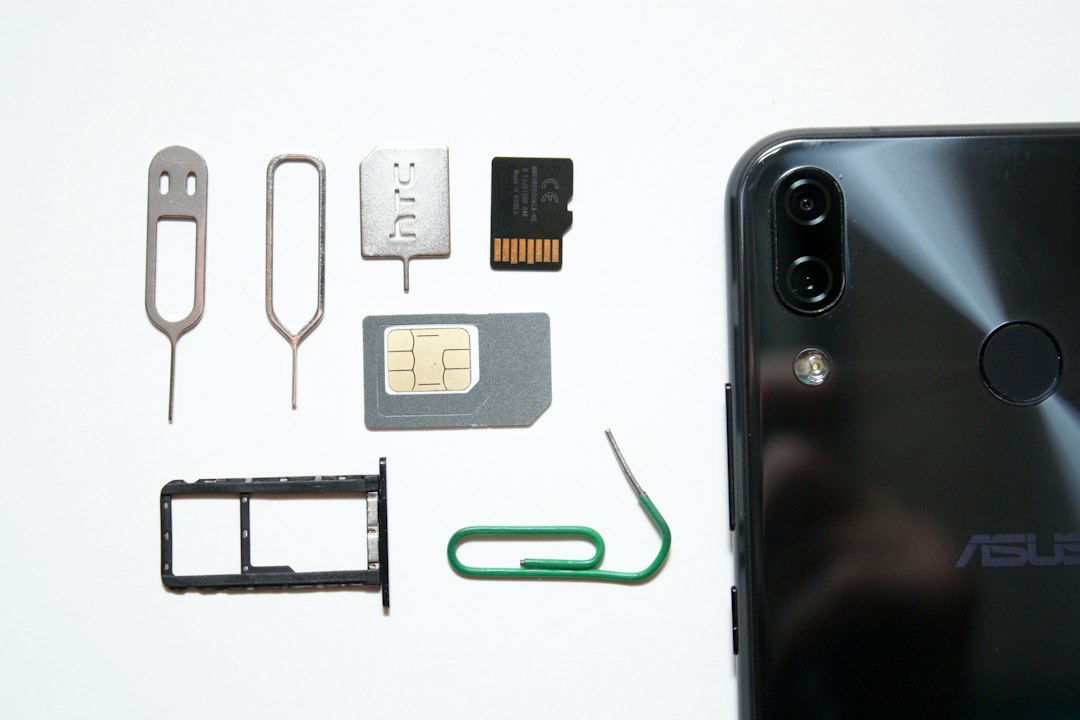
Coming for a short holiday? In that case, a travel eSIM is often the easiest choice. You buy it online before departure, scan a QR code, and your phone connects as soon as you land at Charles de Gaulle. Most travel eSIM providers sell day passes or week passes with generous data, and they do not ask for an ID check at a French shop counter. However, these eSIMs are usually data-only, so you will not get a French phone number for calls or SMS.
For trips longer than two or three weeks, a local prepaid SIM or a no-commitment plan generally works out cheaper. Planning your holiday? Our Paris travel guide for Indians covers everything else you need to know before you go.
Calling India from France
Standard French plans include unlimited calls within France and usually some roaming in Europe, but calls to India are rarely included. Therefore, most Indians in France rely on WhatsApp, Google Meet or similar apps over mobile data or Wi-Fi. If your parents prefer normal phone calls, look at operators that focus on international calling, such as Lebara or Lyca Mobile, or add an international option to your plan. Always check the current per-minute rate to India before you dial.
FAQ: SIM Card in France for Indians
Here are the questions Indian students and travellers ask us most often about mobile plans in France.
Get Your French Number Sorted Early
In short, a SIM card in France costs little and opens every door, from your bank to your CAF housing allowance. Start with a prepaid SIM or eSIM on day one, open your bank account, and then move to a cheap no-commitment plan. Next, make sure your other paperwork is on track: read our guides to validating your VLS-TS visa and claiming CAF as an Indian student. Have a question about mobile plans in France? Drop it in the comments and we will help you out.



Leave a Reply